
The Future of Electric Mobility: Shaping Sustainable Transportation
Introduction
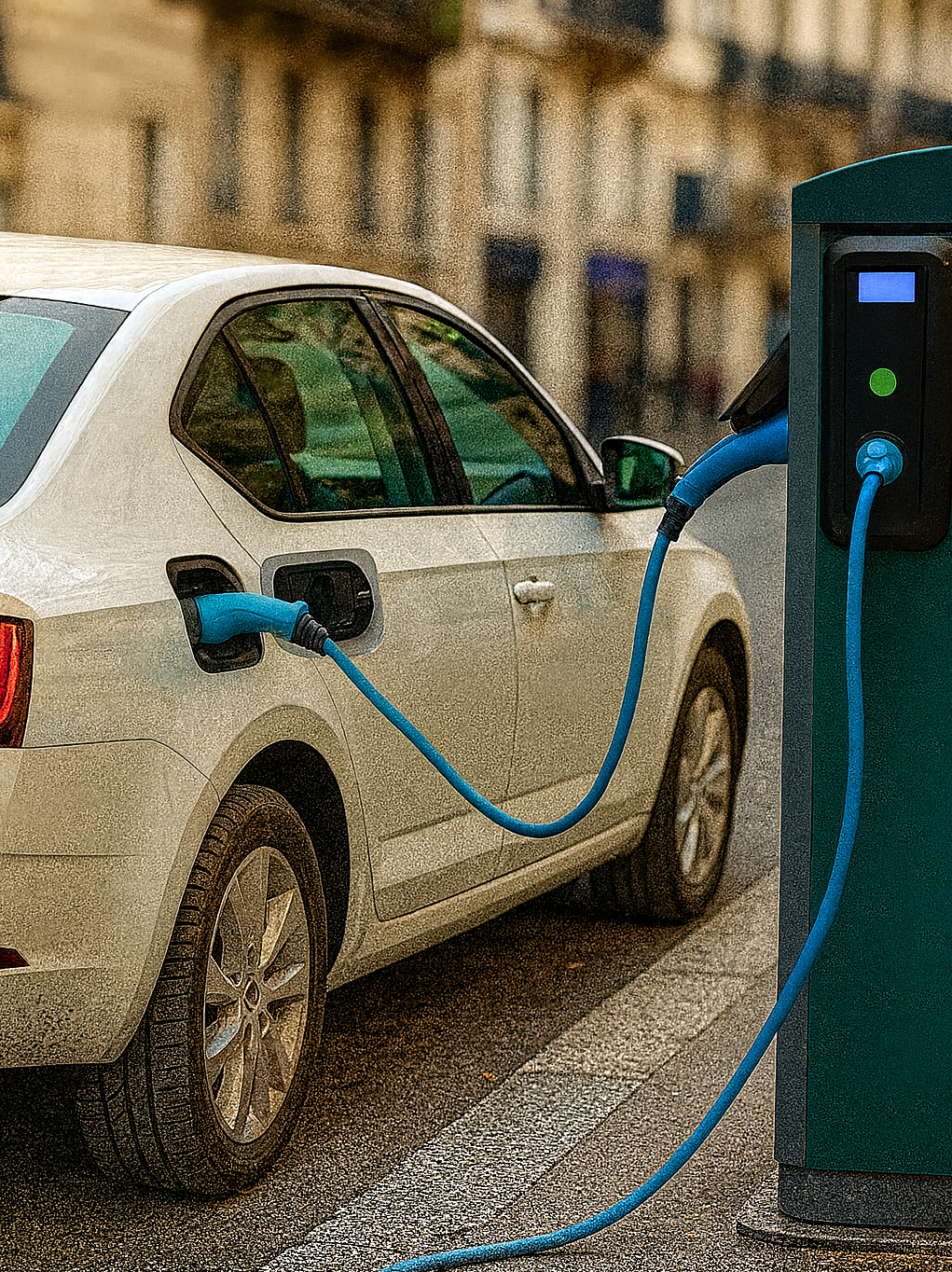
Electric mobility has become one of the most transformative innovations in the modern transportation sector. As nations strive to reduce carbon emissions and shift towards more sustainable energy systems, the adoption of electric vehicles (EVs) represents both a technological and cultural revolution. The growing urgency of climate change, combined with advancements in battery technology and increased environmental awareness, has made EVs a symbol of progress. This project explores how electric mobility is redefining transportation, the social and behavioral factors driving its adoption, and the implications for businesses—particularly within the car rental industry.
Purpose of the Study
The main purpose of this study is to analyze the attitudes of younger generations toward electric vehicles and evaluate how these attitudes influence decisions to rent or purchase such cars. The project also aims to help businesses—especially car rental and leasing companies—understand the opportunities and challenges that come with integrating electric mobility into their operations. By investigating behavioral drivers, economic considerations, and infrastructural barriers, the project highlights strategies that can bridge the gap between environmental aspirations and real-world actions.
Research Context
The global automotive industry is at a turning point. Governments worldwide are setting ambitious targets for zero-emission vehicles, while major car manufacturers invest heavily in EV research and production. Meanwhile, consumers are beginning to recognize the long-term benefits of sustainable travel—lower emissions, lower running costs, and reduced dependence on fossil fuels.
Yet, despite this momentum, the road to full adoption remains uneven. Challenges such as charging infrastructure, vehicle cost, and range anxiety continue to slow progress. Understanding the psychology and motivation behind consumer decisions is crucial for overcoming these barriers.
Key Research Questions
- What motivates younger generations to prefer electric vehicles?
- How do perceptions of cost, convenience, and infrastructure affect willingness to rent or own EVs?
- What social or cultural factors shape the acceptance of electric mobility?
- How can car rental companies align their services with sustainability trends?
- What business models best support the shift toward electric mobility in the rental sector?
Theoretical Framework
This research is grounded in two complementary theories:
- Theory of Planned Behavior (TPB): Examines how attitudes, subjective norms, and perceived behavioral control influence consumer intentions toward EV adoption.
- Innovation Diffusion Theory (IDT): Explains how innovations—like EV technology—spread through societies, from early adopters to the mainstream market.
Together, these frameworks help identify not only the reasons individuals adopt EVs but also the conditions under which adoption becomes widespread.
Methodology Overview
A mixed-methods approach was used to gather both qualitative and quantitative data. Surveys targeted individuals aged 18–35, focusing on their experiences with sustainability, technology acceptance, and mobility choices. Secondary data from industry reports, government publications, and academic sources were used to contextualize findings within broader market and policy developments. The analysis aimed to connect psychological, social, and economic factors influencing EV adoption.
Findings and Discussion
The study reveals that environmental concern is a strong motivating factor among Generation Z and Millennials. Most respondents associate EVs with progress, responsibility, and innovation. However, cost sensitivity remains high, especially when the short-term expenses outweigh long-term benefits.
The availability of charging stations also significantly affects attitudes—cities with more developed infrastructure tend to have higher EV acceptance rates. Social influence plays an important role too; individuals who perceive electric mobility as part of a modern lifestyle are more likely to engage with it.
From a business perspective, integrating electric vehicles into rental fleets provides competitive advantages. Customers increasingly prefer companies that demonstrate environmental responsibility. Additionally, government incentives for sustainable fleets can reduce operational costs, making the transition financially viable.
Managerial Implications
Car rental companies that embrace electric mobility early can position themselves as leaders in sustainable travel. Recommended strategies include:
- Fleet diversification: Introducing hybrid and electric options alongside conventional vehicles.
- Infrastructure partnerships: Collaborating with municipalities or private firms to expand charging access.
- Digital education: Using apps and websites to educate renters about EV benefits and charging procedures.
- Sustainability branding: Communicating environmental values clearly to appeal to eco-conscious consumers.
- Dynamic pricing models: Offering competitive rates that reflect lower energy costs and maintenance expenses.
By aligning operational practices with environmental responsibility, companies can enhance their brand image, attract new market segments, and comply with evolving EU sustainability standards.
Limitations and Future Research
While this study provides valuable insights, it is limited by geographic scope and sample size. Future research should explore cross-cultural differences in EV adoption, examine rural versus urban preferences, and evaluate the long-term profitability of EV rentals. The integration of artificial intelligence in fleet management and predictive maintenance also presents new research opportunities for optimizing electric car usage.
Conclusion
Electric mobility is more than a technological trend—it represents a shift in mindset toward sustainability, innovation, and shared responsibility. The transition to electric vehicles will redefine how people travel, how companies operate, and how societies measure progress. For car rental businesses, this transformation offers a pathway to differentiate themselves through green innovation, technological leadership, and customer trust.
Ultimately, the future of transportation will belong to companies that not only adapt to change but also drive it.